Yes. Hypothyroidism can contribute to high cholesterol, particularly higher LDL cholesterol, because thyroid hormones help regulate how the body processes and clears cholesterol from the bloodstream. When thyroid hormone activity is too low, LDL may remain in...
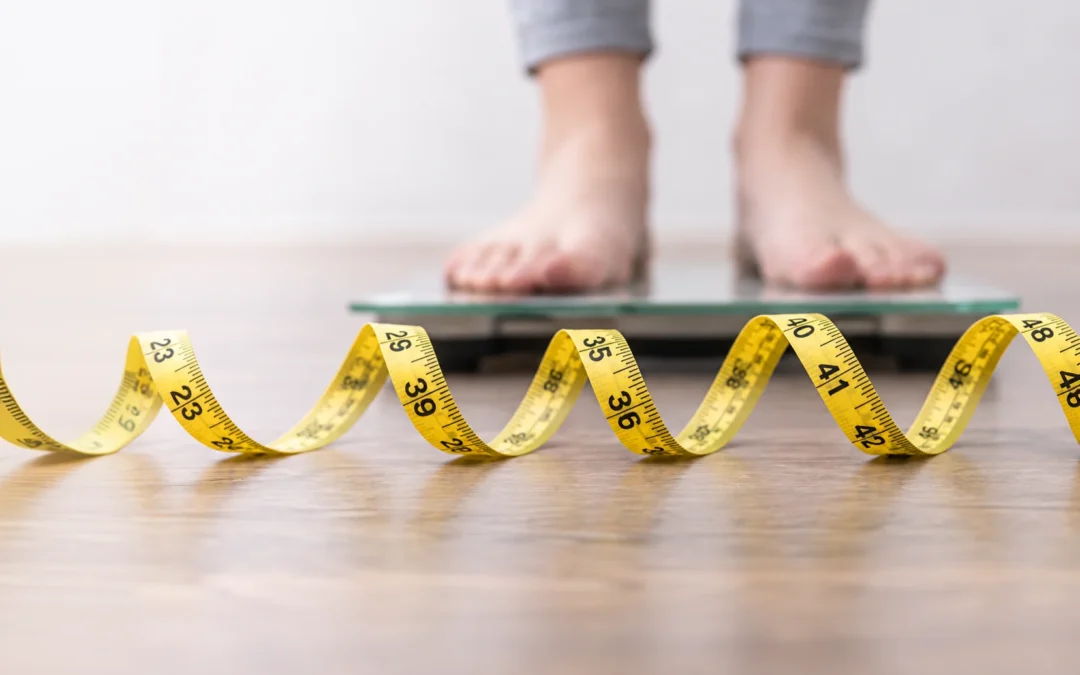
If you are not losing weight on a GLP-1 as quickly as expected, that is not proof that the medication has failed. Weight-loss response varies, and progress may be influenced by treatment stage, individual biology, appetite and eating patterns, sleep, activity, other...
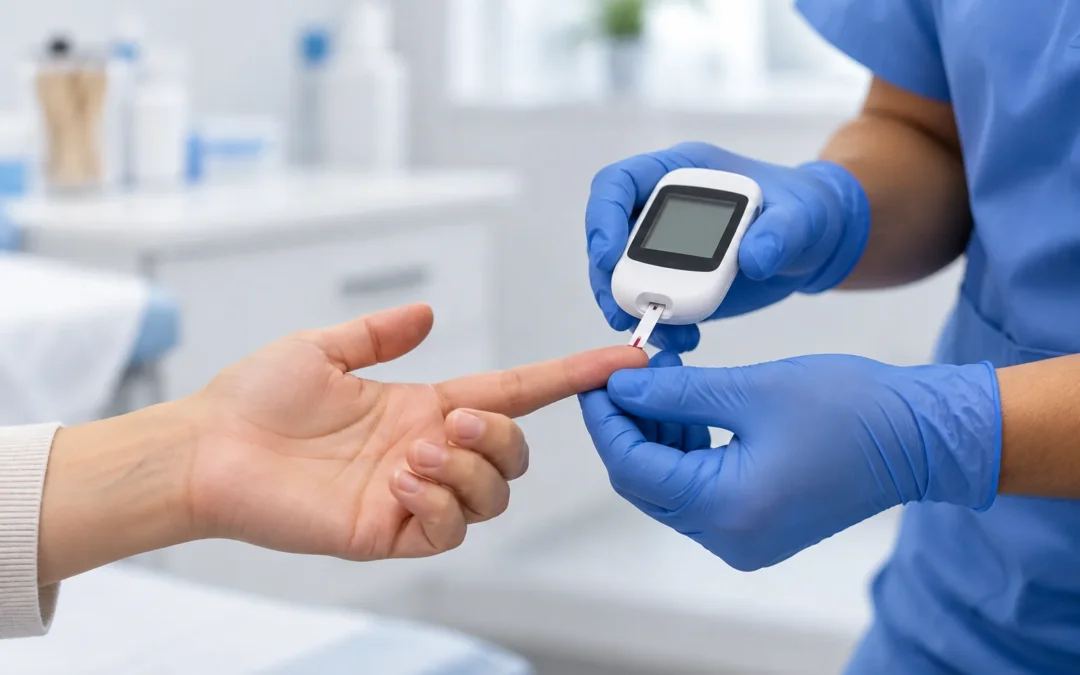
If your A1C is 5.7%, 6.0%, or 6.4%, all three values fall within the commonly used prediabetes A1C range. An A1C of 5.7% is at the beginning of that range, 6.0% falls within it, and 6.4% is at the upper end, just below the 6.5% A1C threshold commonly used for diabetes...
“Cortisol belly” is an informal term for abdominal weight gain that people associate with stress or high cortisol. It is not an official medical diagnosis. Persistently elevated cortisol can affect metabolism, body composition, fat distribution, and weight, but having...
Yes, hormones can cause weight gain or make weight management more difficult in some situations. Hormones help regulate appetite, metabolism, blood sugar, energy use, body composition, and fat distribution, so changes in certain hormone systems can influence weight....
If you are wondering what to expect at your first endocrinologist appointment, the visit will usually focus on understanding why you were referred, what symptoms you have noticed, your medical history, medications and supplements, and any previous testing. The...